
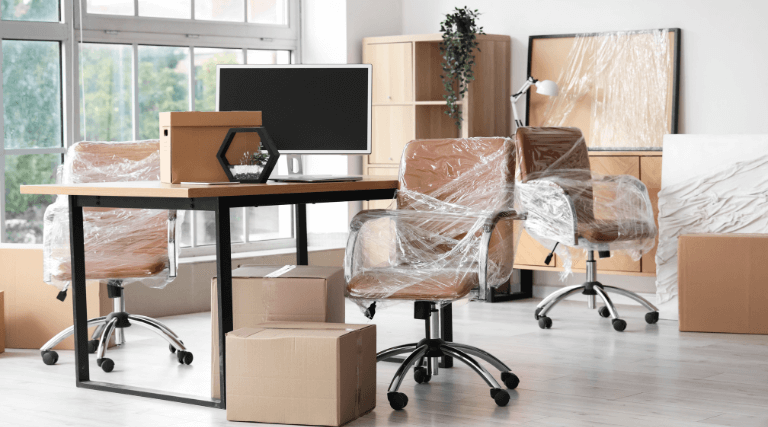
Relocating a business can be an exciting time. Whether you’re upsizing, downsizing or simply moving to a more convenient location, there’s plenty to think about. One thing that often gets overlooked in the chaos is waste removal. But it’s something you’ll be glad you planned properly once you’re knee-deep in unwanted furniture, outdated electronics and boxes full of mystery paperwork.
Here’s how to make sure waste removal doesn’t become a headache during your business move.
1. Start with a Clear Out
Before you even begin packing, take some time to sort through what you actually need. It’s the perfect opportunity to get rid of things you’ve been holding on to “just in case” but haven’t touched in years. Old desks, broken chairs, filing cabinets full of documents from 2008 — it all adds up.
Have each department go through their space and identify anything that’s not going to make the move. Label it clearly and keep it separate from what’s being taken to the new premises.
2. Identify the Types of Waste You’ll Have
Not all business waste is created equal. You might be dealing with:
-
General rubbish
-
Office furniture
-
IT equipment and electronics (WEEE waste)
-
Confidential documents
-
Construction or refurbishment debris
Knowing what types of waste you’ll have means you can plan for the right removal services. For example, IT equipment needs to be disposed of responsibly, and confidential paperwork might need shredding.
3. Book the Right Waste Removal Service Early
The last thing you want is to be calling around last-minute trying to find someone to collect your junk. Whether you’re hiring a skip, booking a man and van service or arranging for specialist waste collection, try to get it sorted well in advance of moving day.
If you’re working with a removal company, find out what they will and won’t take. Some won’t touch anything classed as waste. That’s where a professional rubbish removal company can step in and make things a lot smoother.
4. Think About Access
This one catches a lot of people out. If your old office is in a city centre or has limited access for vehicles, you’ll need to plan around it. The same goes for your new place.
Check whether you need to book time slots, parking permits or access with the building’s management. The smoother the access, the quicker your waste can be collected and out of your hair.
5. Prioritise Recycling Where You Can
A lot of business waste can be recycled, especially office furniture and electronics. Look for waste removal companies that sort materials and recycle where possible. It’s better for the environment and often works out cheaper too.
If you’ve got items in good condition, consider donating them to local charities, schools or community groups. It’s a great way to avoid landfill and help someone out at the same time.
6. Don’t Forget the Paperwork
Depending on the type of waste, you might need to keep a record of how and where it was disposed of. This is especially important for WEEE waste and anything classed as hazardous. A professional waste removal company should provide you with a waste transfer note or similar documentation.
It’s all part of staying compliant and protecting your business from any potential headaches down the line.
Final Thoughts
A bit of planning goes a long way when it comes to waste removal during a business move. Tackle it early, choose the right service and make it part of your wider relocation checklist. You’ll thank yourself later when you’re settling into your new place without piles of junk holding you back.
Need a hand with commercial rubbish removal? We help businesses clear out everything from bulky furniture to old IT equipment, with services designed to work around your schedule. Get in touch today to see how we can make your move easier.


