
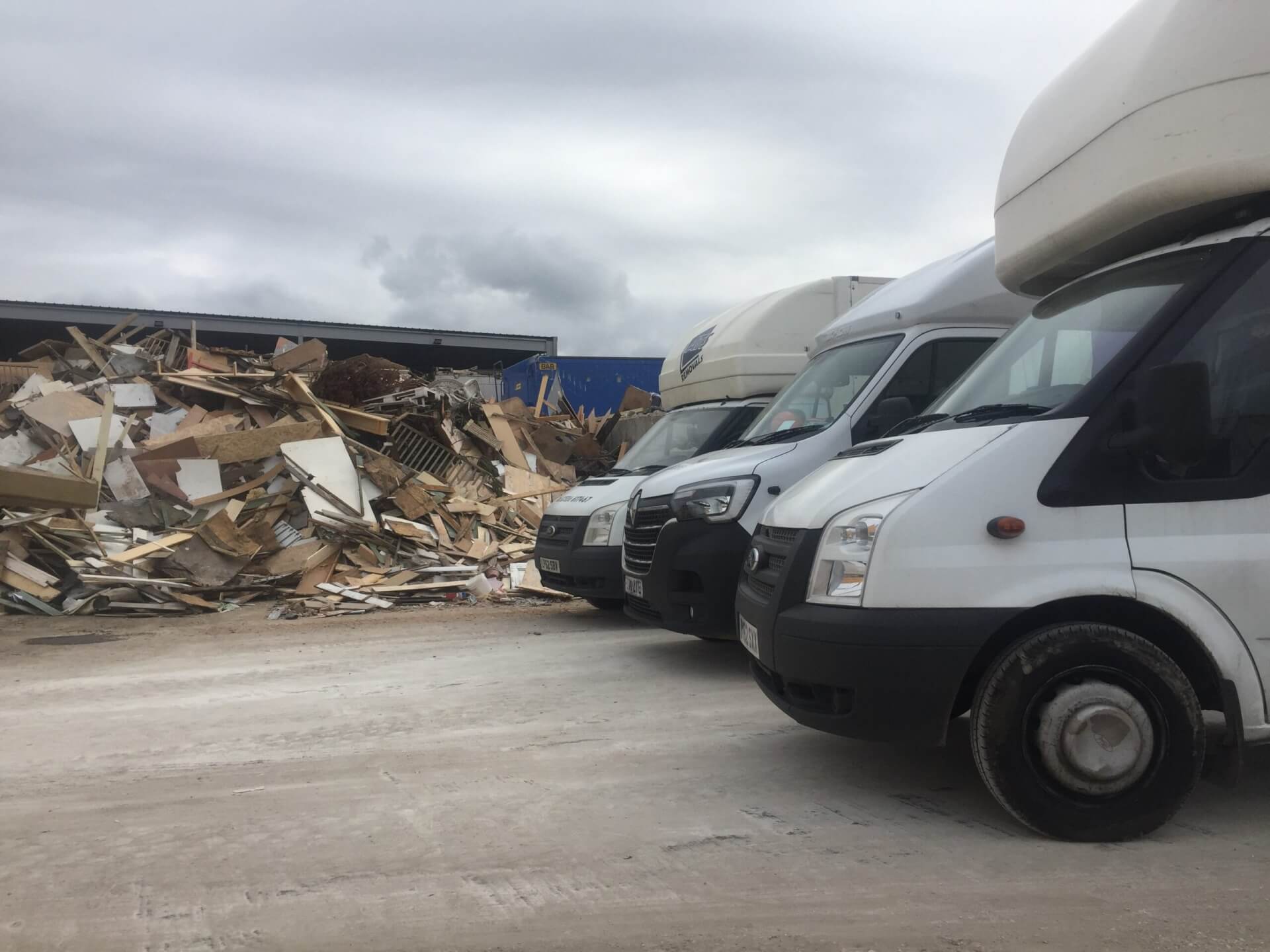
How Waste King Is Maximising Recycling, Investing in People and Supporting the Circular Economy
Client
Waste King Limited operates a licensed waste transfer station as part of its nationwide waste management and recycling operations. The facility plays a key role in ensuring materials collected from customers are managed responsibly and diverted towards reuse, recycling and recovery wherever possible.
The Challenge
Historically, waste transfer stations were designed primarily to consolidate waste before onward transportation or disposal.
However, increasing environmental expectations, changing legislation and growing emphasis on the circular economy have transformed the role of modern waste facilities.
Waste King recognised an opportunity to go beyond traditional waste handling and further develop its operations around resource recovery and environmental responsibility.
The objectives were to:
• Increase material recovery opportunities
• Improve recycling performance
• Reduce landfill dependency
• Invest in workforce skills and competence
• Strengthen environmental and safety standards
• Create a culture of continual improvement
The Solution
Historically, waste transfer stations were designed primarily to consolidate waste before onward transportation or disposal.
However, increasing environmental expectations, changing legislation and growing emphasis on the circular economy have transformed the role of modern waste facilities.
Waste King recognised an opportunity to go beyond traditional waste handling and further develop its operations around resource recovery and environmental responsibility.
The objectives were to:
• Increase material recovery opportunities
• Improve recycling performance
• Reduce landfill dependency
• Invest in workforce skills and competence
• Strengthen environmental and safety standards
• Create a culture of continual improvement
Investing in People
Waste King believes that people remain the most important asset within the waste and resource management industry.
While technology continues to improve resource recovery capabilities, experienced and well-trained employees remain essential for identifying materials, improving quality and driving continuous improvement.
The business continues to invest in:
• Waste management competence
• Plant and equipment training
• Health and safety development
• Environmental awareness
• Professional development opportunities
Results Achieved
The programme has already delivered significant improvements across the Waste King Group.
Achievements include:
• Introduction of a comprehensive Group Health & Safety Policy
• Development of enhanced risk assessments and Safe Systems of Work
• Implementation of structured compliance and audit processes
• Improved staff training and competency management
• Completion of specialist training programmes
• Strengthened fire safety arrangements and workplace controls
• Achievement of SafeContractor accreditation
• Membership of the British Safety Council
These improvements have strengthened compliance, increased accountability and reinforced Waste King’s commitment to creating a safe and professional working environment.
The Results
The transformation has helped Waste King move beyond the traditional concept of waste transfer and towards a resource recovery model focused on extracting maximum value from materials.
Benefits achieved include:
 Increased recovery of recyclable materials
Reduced reliance on disposal routes
Improved environmental performance
Stronger focus on circular economy principles
Enhanced staff competence and development
Improved operational standards and consistency
Greater transparency and accountability throughout site operations
A Different Way of Thinking
One of the biggest changes has been a shift in mindset.
Years ago, many materials had limited recovery opportunities and landfill was often viewed as the default destination for mixed waste. According to many long-standing industry professionals, if a material had an obvious value, such as metal, it was recovered. Much of the remaining material would often be disposed of because the recycling infrastructure and markets simply did not exist.
Today, the industry has changed dramatically.
Materials once considered waste are now increasingly viewed as valuable resources capable of being reused, recycled or recovered. At Waste King, every material received is assessed for its recovery potential and directed towards the most environmentally beneficial outcome available.
Looking Ahead
Waste King continues to explore new opportunities to improve resource recovery, increase recycling rates and support the UK’s transition towards a more circular economy.
Future developments will focus on:
• Continuous improvement of recovery processes
• Increased material segregation opportunities
• Workforce development and training
• Emerging technologies
• Digital waste tracking and improved data transparency
Outcome
By investing in people, professional standards and continual improvement, Waste King has successfully transformed its approach from traditional waste transfer towards modern resource recovery.
The result is a facility focused on extracting maximum value from materials, reducing environmental impact and supporting a more sustainable future.
About Waste King
Waste King Limited and Waste King Recycling Limited provide nationwide waste management, recycling and resource recovery services across the United Kingdom.
As an Affiliated Member of the Chartered Institution of Wastes Management (CIWM) and a Member of the British Safety Council, Waste King is committed to professional standards, environmental responsibility and continual improvement. Through ongoing investment in people, training and infrastructure, the business continues to support customers in reducing waste and increasing resource recovery.


